
In the evolving construction landscape, modular buildings have gained prominence as a cost-effective, time-efficient alternative to traditional construction. Whether you’re planning a commercial, residential, or industrial project, understanding the differences between modular buildings and traditional construction can help you make an informed decision that aligns with your project needs, budget, and timeline. This article will explore the advantages and limitations of both approaches, enabling you to decide which option is best for your specific project.
What Are Modular Buildings?
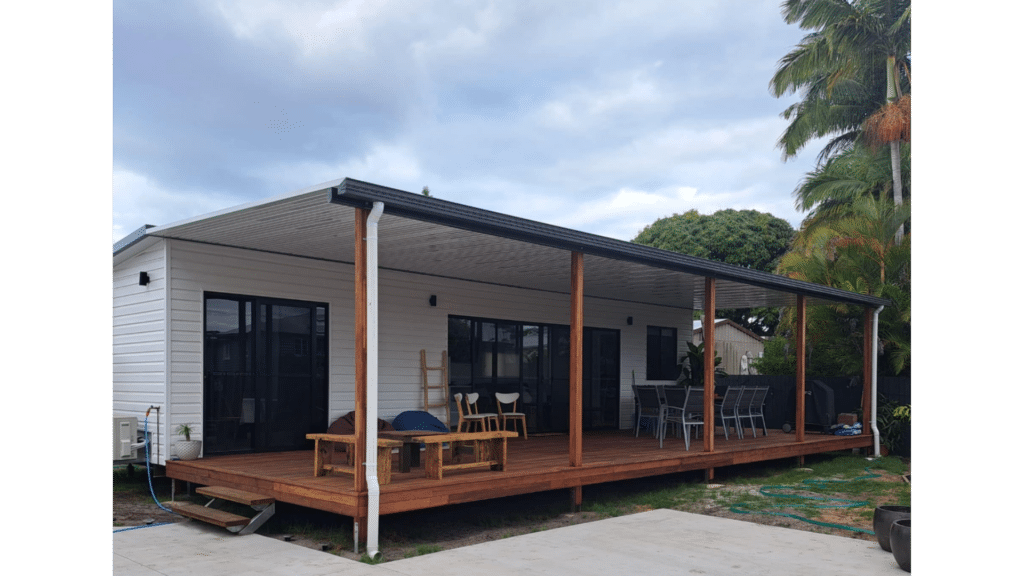
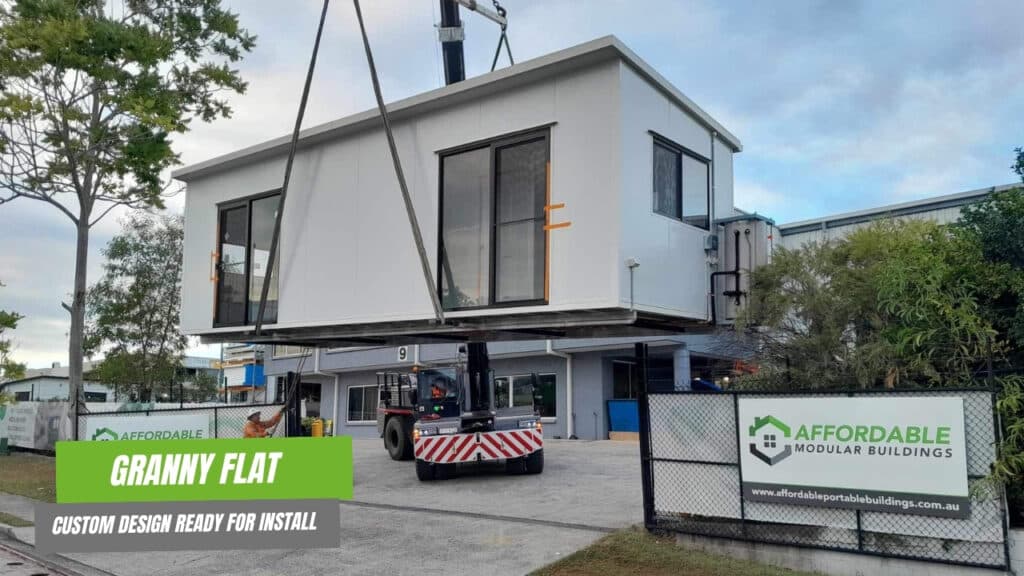
Modular buildings are prefabricated structures created in sections, or “modules,” in a factory setting. These sections are then transported to the project site, where they are assembled into a completed structure. Modular construction can be applied to various building types, from site offices to residential complexes. This approach contrasts with traditional construction, where buildings are built entirely on-site from the ground up.
Key Features of Modular Buildings
- Factory Construction: Modular buildings are constructed in controlled environments, reducing exposure to weather delays, material degradation, and on-site hazards. This factory environment also allows for efficient use of resources, as materials are managed precisely and waste is minimised.
- Speed and Efficiency: The modular approach significantly reduces construction time because site preparation and module production occur simultaneously. In many cases, modular buildings can be completed in half the time of traditional construction.
- Sustainability: Modular buildings are generally more environmentally friendly, as factories can better control material use, reduce waste, and recycle materials. Additionally, modular buildings are often designed with energy-efficient materials, reducing long-term operational costs.
Advantages of Modular Buildings Over Traditional Construction
While traditional construction methods are well-established, modular buildings offer several distinct advantages that make them an attractive option for many projects. Let’s explore the benefits that modular buildings bring to the table.
- Faster Project Completion One of the most significant advantages of modular buildings is the speed of construction. Since the modules are built in a factory while the site is being prepared, modular construction reduces overall project timelines by up to 50%. This faster completion rate is beneficial for time-sensitive projects, such as schools, healthcare facilities, or temporary housing during crises.
- Cost-Effectiveness Modular buildings often cost less than traditional construction due to reduced labour needs and efficient use of materials. Factory-controlled environments enable precise production, minimising waste and maximising resource usage. Additionally, modular buildings typically require fewer workers on-site, reducing labour costs and associated expenses like transportation and accommodation for workers.
- Quality and Consistency Building modules in a controlled environment ensures a consistent level of quality across all parts of the structure. Factory settings allow for stringent quality control, with skilled workers specialising in modular assembly techniques. This uniformity can be harder to achieve in traditional construction, where various site conditions and unpredictable factors may impact quality.
- Environmental Benefits Modular construction is known for its sustainability. The factory-controlled setting helps reduce material waste by allowing for precise measurements and efficient use of resources. Furthermore, modular buildings are often designed to incorporate eco-friendly features, such as energy-efficient windows, insulation, and renewable materials. These factors contribute to reduced environmental impact, making modular buildings a more sustainable choice for eco-conscious projects.
- Flexibility and Customisation Modular buildings can be customised and expanded as needed. If you require additional space or a modified layout in the future, additional modules can be created and added to the structure. This adaptability is ideal for businesses or institutions expecting future growth or fluctuating space requirements.
Choosing the Right Option for Your Project
Both modular buildings and traditional construction offer unique benefits, and the best choice depends on the specific needs and goals of your project. Here’s a breakdown of factors to consider when deciding between the two approaches.
- Project Timeline If you have a tight timeline, modular construction may be the optimal choice. With the ability to build modules off-site while preparing the project site, modular buildings can often be completed in half the time it takes for traditional construction. This time-saving aspect is beneficial for projects where getting up and running quickly is a priority, such as healthcare facilities, schools, or temporary housing.
- Budget Constraints Modular buildings tend to be more budget-friendly due to efficient use of materials and reduced on-site labour costs. For those with strict budget constraints, modular construction may allow for cost savings without compromising quality. However, for high-end projects where custom designs and premium materials are prioritised, traditional construction may be worth the additional investment.
- Customisation Needs Consider the level of customization your project requires. If you need a complex architectural design or have specific aesthetic goals, traditional construction offers greater flexibility. Modular construction can be customised to some extent, but intricate designs may require adjustments to standard modular layouts, potentially adding to costs.
- Environmental Impact Modular buildings are typically more sustainable due to controlled manufacturing environments that minimise waste. For projects aiming to reduce their environmental footprint, modular construction is a strong contender. However, traditional construction can also incorporate eco-friendly practices and materials, making it possible to achieve a sustainable project through either approach.
Ready to Choose the Right Building Solution? Explore Modular Options Today!
Ultimately, the decision between modular buildings and traditional construction depends on your project’s specific needs, timeline, and budget. Modular construction offers speed, cost-effectiveness, and sustainability, making it ideal for projects that require a quick setup and have strict budget constraints. Traditional construction, on the other hand, provides greater flexibility in design, durability, and customisation, making it suitable for complex, permanent structures.
If you’re considering modular construction for your next project, Affordable Modular Buildings offers affordable, customisable solutions that can meet a range of requirements. Contact us today to learn more about how modular buildings can work for you, or to discuss the benefits of modular construction in comparison to traditional methods. Let us help you find the perfect solution for your needs.